Explore ACCESS Allocation Utilized by Deep-Learning Class at Illinois Wesleyan
A professor uses an ACCESS allocation to prepare computer science students for a future working with HPC.



A professor uses an ACCESS allocation to prepare computer science students for a future working with HPC.

ACCESS has created an award program to make research computing workshop dreams become reality.
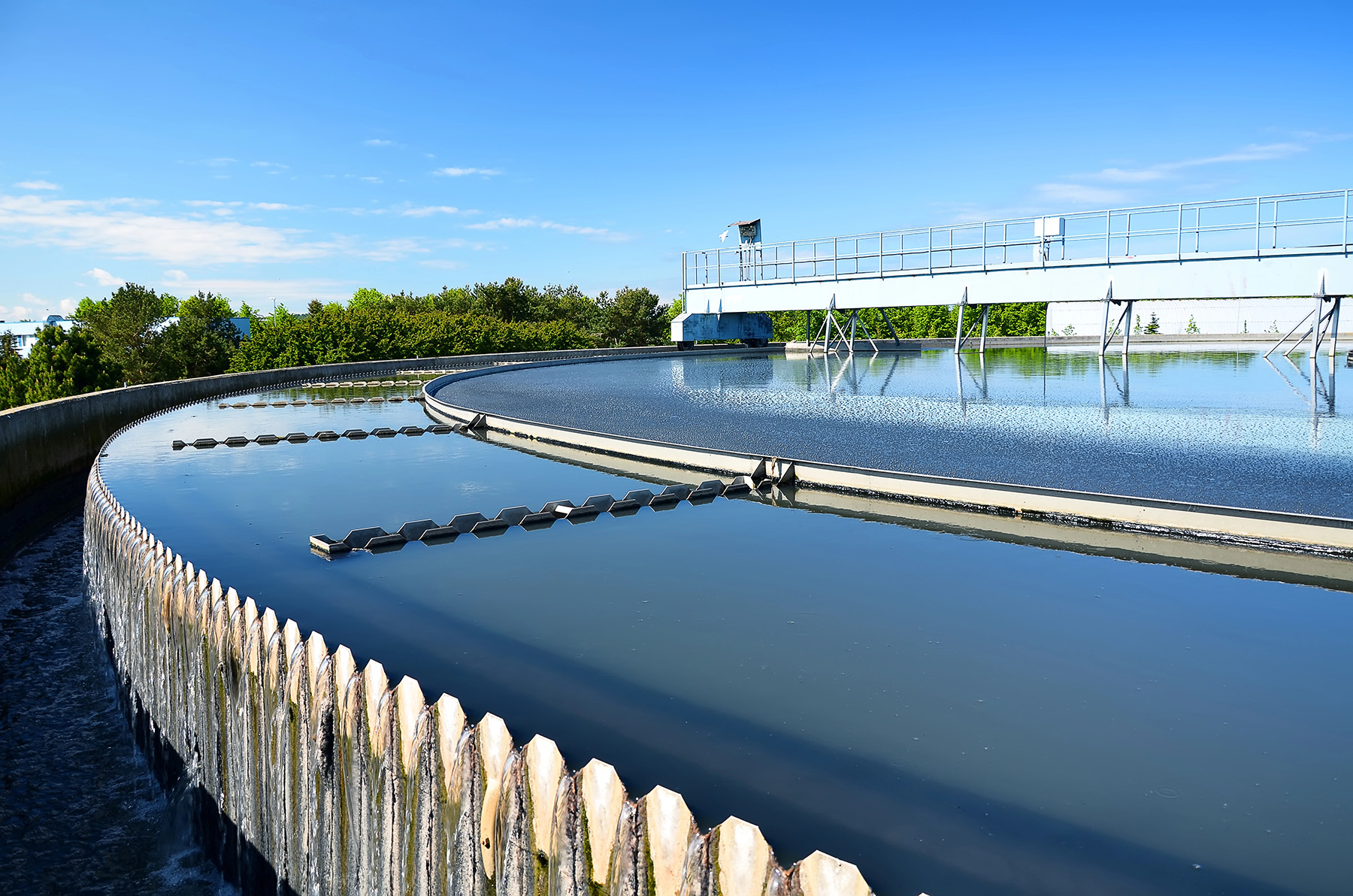
Researchers are simulating a water treatment plant to train young engineers to help shore up a retiring workforce.

Researchers from the University of Michigan use SDSC’s Expanse and RCAC’s Anvil to simulate Combo-Antibiotic Plans for TB Treatments.

Researchers use ACCESS resources to compare the regulatory DNA of various mammals to better understand human evolution.

Syracuse University researchers use SDSC’s Expanse to explore the theory of quantum gravity.

A professor from Kingsborough Community College uses ACCESS resource Jetstream for computational biology lessons.

Researchers use ACCESS resources, Delta and Anvil, to study the life cycle of Hepatitis B in hope of stopping this serious infection in its tracks.
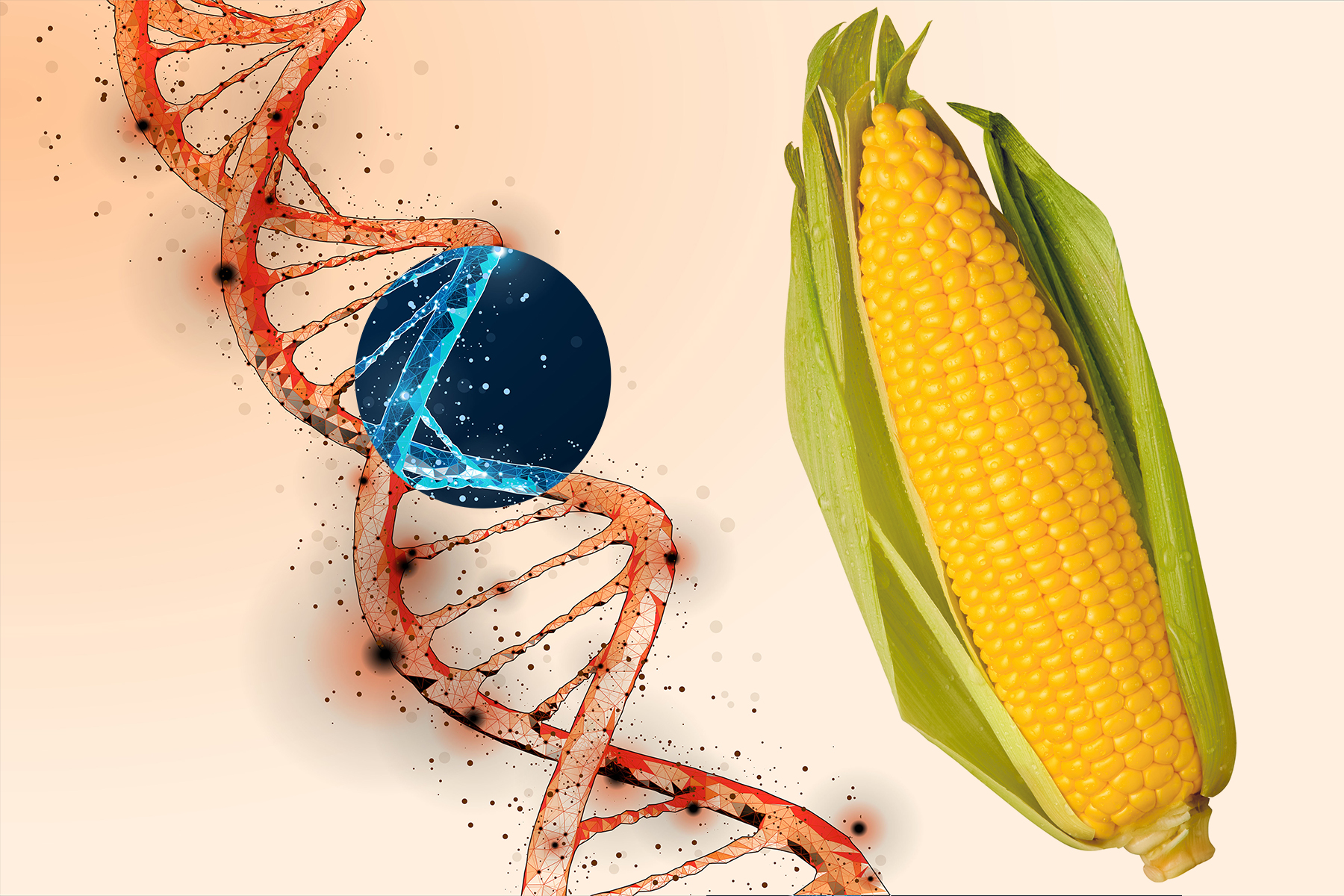
Using ACCESS resources, a researcher performed supercomputing simulations in a multiyear study of corn to address food insecurity, revealing surprising molecular results.

Learn more about this innovative program and how it can help researchers overcome hurdles.